
The Alabama Solution: Journalists Hope to Inspire More Ethical Prison Reporting
By Victoria Valenzuela, independent journalist

When Charlotte Kaufman and Andrew Jarecki visited Easterling prison in Alabama as media seven years ago, they didn’t know what to expect — but they knew that it is rare to get an opportunity to report from a prison, so they took the chance. What started as a filmed visit during a prison barbeque turned into more when incarcerated people started pulling them to the side to inform them about deadly conditions, and the reporters who told these stories want journalists everywhere to take this as a lesson that incarcerated voices are important, even necessary, for the work we do.
One man told Kaufman and Jarecki that he had been beaten so hard by guards that he defecated himself; another told them that he slept in a dorm crowded with 100 other men; another said there were stabbings the prison didn’t report.
“The thing that really stuck out was that they kept saying, ‘It’s being covered up,’” Kaufman said. “The public doesn’t know about this stuff, and that compelled us as investigative journalists, as filmmakers, to want to keep looking and understanding what was happening on the inside.”
That visit in 2019 prompted a six year investigation which became the Oscar nominated documentary “The Alabama Solution,” where Kaufman and Jarecki, alongside investigative journalist Beth Shelburne and a team of filmmakers, uncovered unsanitary conditions, overdoses, abuse of solitary confinement, violence and retaliation by prison staff and the coverup of an incarcerated man’s murder.
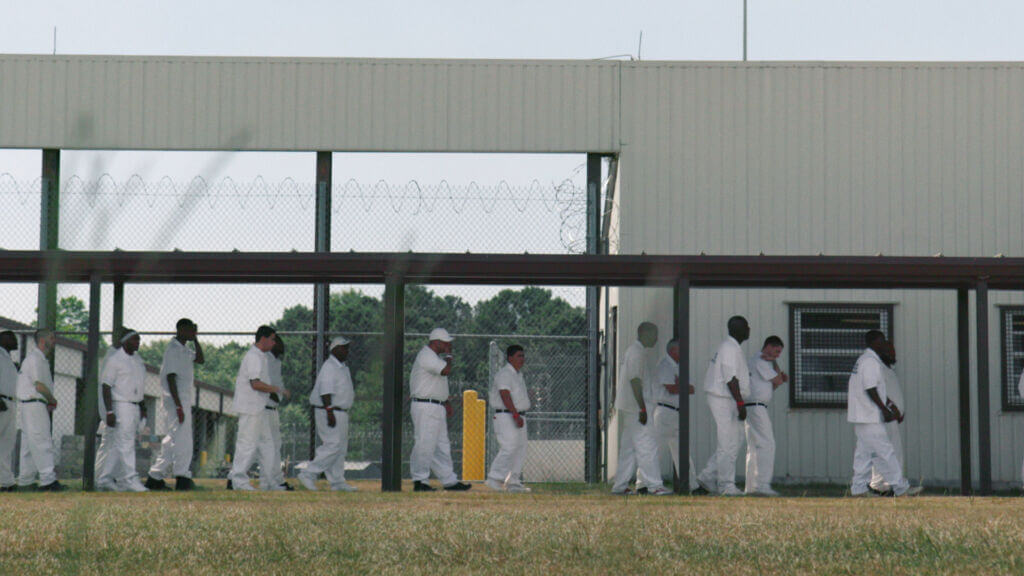
“As long as the [Alabama Department of Corrections] has control of the narrative, then society will never understand or believe what’s really going on inside,” Robert Earl Council, also known as Kinetik Justice who has been incarcerated for 30 years, said in the documentary.
Journalists have always found challenges reporting on prisons. The US Supreme Court has ruled that wardens can effectively deny journalists access to prisons by stating “safety and security” concerns. Phone calls and letters to and from incarcerated people are monitored by prison staff. Telecommunications and emails are often run by for-profit companies.
Another incarcerated man featured in the documentary, Melvin Ray, remarked that “a journalist can go into a warzone, but not a prison in the United States of America.”
To have conversations with incarcerated men without the administration’s meddling, the team worked directly with people in prison through contraband cell phones. Through the use of these phones, people in prison were able to take videos and FaceTime the journalists to directly show them flooded hallways, men laying passed out on the floor and violence from prison staff.
Shelburne said the team had to make an ethical decision that they were going to take contraband phone calls — she worried that could be the reason someone got sent to solitary confinement or had their parole denied. Kaufman said some of the men the team spoke to made the calculation that being able to speak to the outside world is making them safer or is part of improving their conditions. Due to prison’s restrictive nature, it was the only way they were able to expose such things.
“There’s this tension as a journalist, of not wanting to violate anything, but also wanting to have open communication with sources, particularly sources that are incarcerated because they don’t have the same freedoms that we do,” Shelburne said. “It’s very hard to have confidential conversations with them through the mechanisms that the prison makes available.”
In mid-January, after the film came out, some of the men in the documentary, including the two quoted above, were sent to solitary confinement without being given a reason for their transfer. Some say this underscored the message in the film.
Shelburne said she hopes the film inspires other journalists to start listening to and centering incarcerated peoples’ experiences in order to write about jails and prisons and to break the stigma of working with people behind bars. When she was a nightly newscaster, she said that “it seemed like anytime an incarcerated person made an appearance, it was just a mugshot, and we rattled off what the state said that they did” while overlooking their humanity and what happens after.
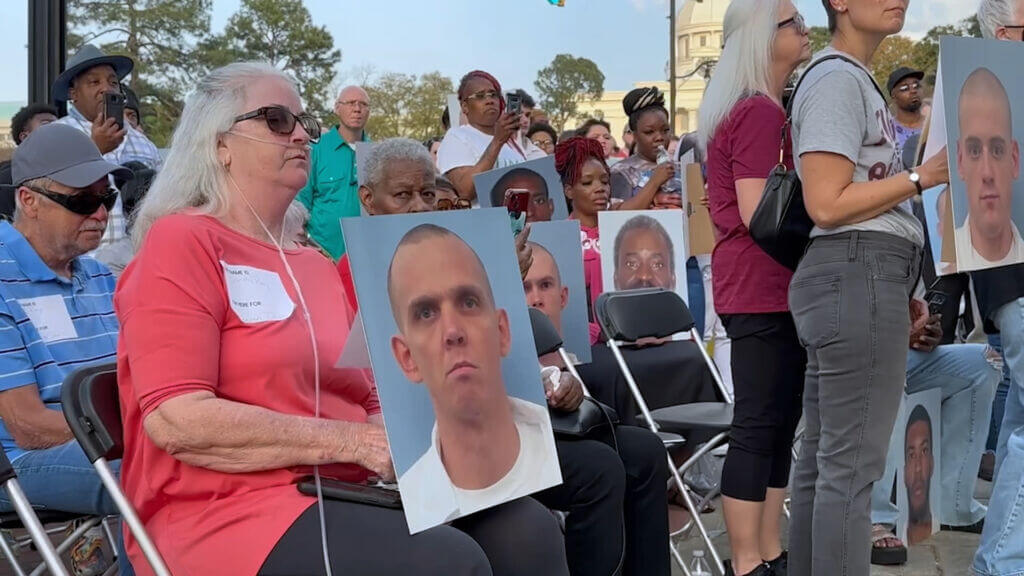
She said journalists need to be careful about what they accept as fact, especially when it comes to violence against incarcerated people. While their reporting underscored the importance of working with incarcerated sources, it also alludes to the dissonance of journalists sometimes not trusting incarcerated people when prison officials themselves are the untrustworthy ones.
The documentary features Sandy Ray’s search for answers and justice after her son, 35-year-old Steven Davis, was murdered by a correctional officer. After Davis’ death, Ray was not given any answers. It wasn’t until a news channel reported the ADOC’s claim that Davis was violent that she heard anything — but she didn’t accept that.
After investigating and hiring a lawyer, the team found that the ADOC had misrepresented Davis as violent, and the officer who killed him had other complaints against him and had unjustly used excessive force.
Kaufman and Shelburne said that journalists can avoid these pitfalls by using healthy skepticism and questioning authorities. Kaufman said that while journalists are usually told to get both sides of any story, incarcerated peoples’ perspectives are usually not included.
“The problem is that we have silenced any other side,” Kaufman said. “When it comes to prisons, there is no other narrative that journalists can readily seek. All they get is the accounts of the prison, because we are kept from accessing anybody in the prison system, so you have to accept what the prison says.”
And the impact of this work is already apparent, the journalists said.
Shelburne said that since The Alabama Solution came out in October, local media has been activated to look more critically at the prisons in their state. She hopes it will inspire more newsroom managers to see the value in reporting on jails and prisons.
“It’s a difficult subject to report on because it takes more time, and it’s harder to develop sources, it’s harder to get the information out, but these are government run institutions, and they deserve our scrutiny,” Shelburne said. “They are also incubators of cruelty, and so from a human rights standpoint, it’s a really valuable place for journalists to focus their attention.”