
Unmasking the tourism industry: A Puerto Rico case study
by Luis Joel Méndez González, Centro de Periodismo Investigativo
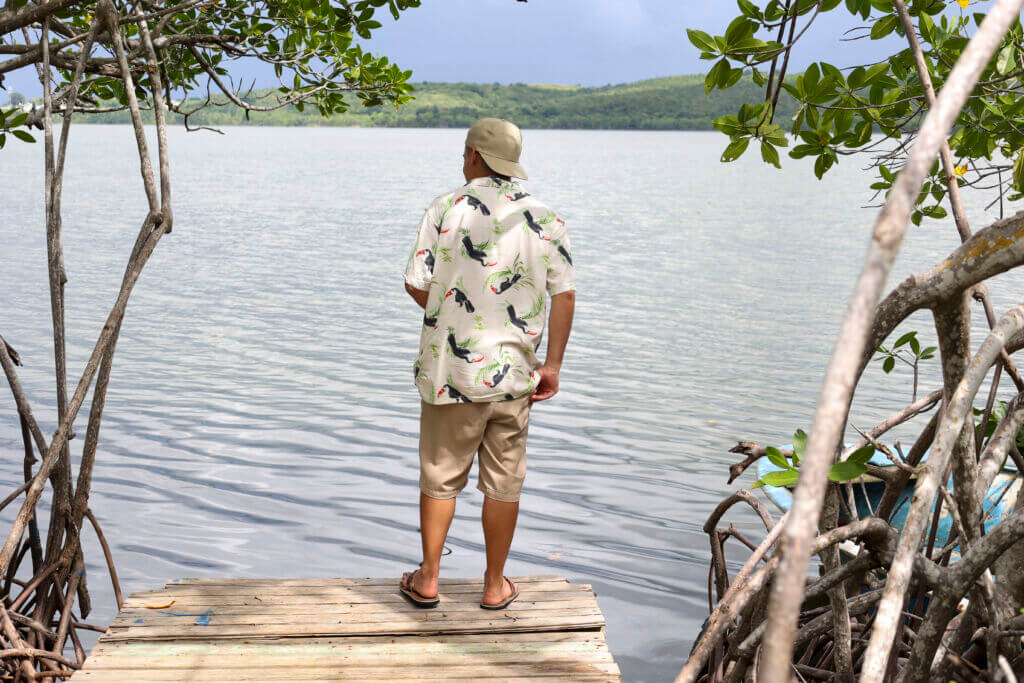
You are drinking a piña colada under an umbrella. You can hear the waves, feel the heat of the sun and notice the texture of the sand beneath your feet. That is the idyllic scene many of us imagine when we think about the tourism industry.
Yet behind the palm trees, beach loungers and music, there are communities quietly harmed by that very industry.
For the past year, I have been reporting extensively on the Esencia project — an exclusive, high-end gated community proposed for the city of Cabo Rojo in southwest Puerto Rico. At Puerto Rico’s Center for Investigative Journalism (CPI), we have published multiple data-driven stories examining the project’s environmental, economic, fiscal and social impact. When a development of this scale is proposed, there will always be consequences for ordinary people, especially underrepresented communities, and it is our responsibility as journalists to document them.
Despite warnings from community groups, nonprofit organizations and environmental advocates — who argue that the development threatens mangroves, sand dunes and wetlands — the Esencia project continues to advance. Backed by the Puerto Rican government, this so-called touristic development serves as a reminder of the hidden costs behind our annual vacations.
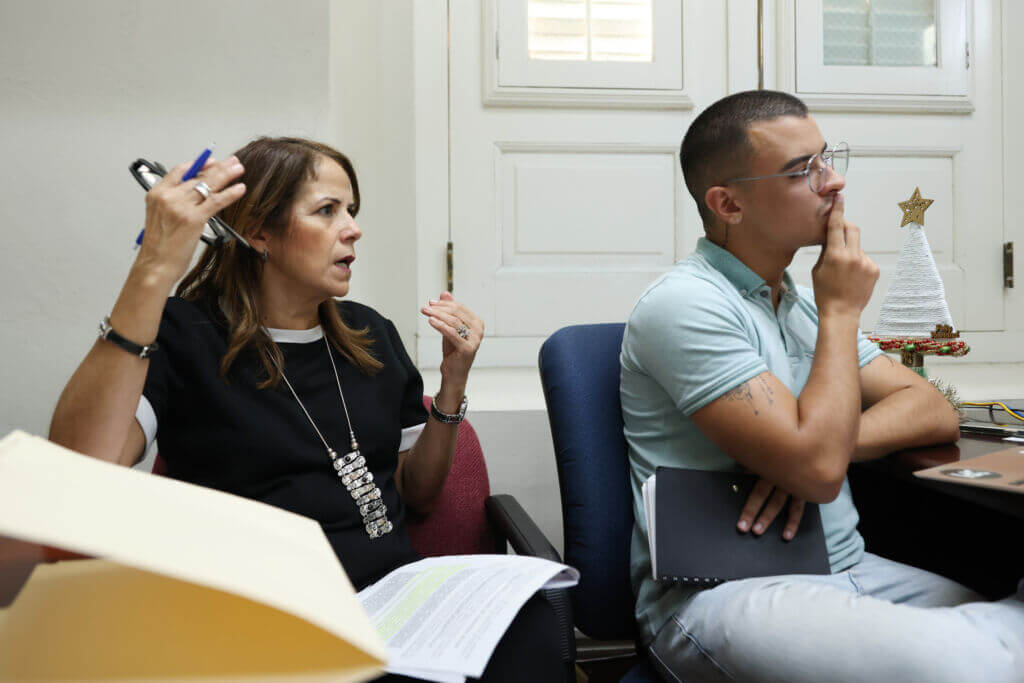
My investigative series began with a chronicle of a public hearing held as part of the project’s permitting process. For investigative reporters, attending public hearings is essential. These spaces allow us to build sources, identify the key actors and observe their gestures, behaviors and interactions.
Before you get to that meeting, make sure you’ve done your research. In the case of Esencia, the proposal was included in the project file at Puerto Rico’s Permitting Office. When I requested the file, I was handed a CD containing hundreds of pages of environmental evaluations, agency endorsements and even financial documents, all of which should be publicly accessible anywhere in the world. Reviewing these materials before the meeting allowed me to focus on gathering information not already documented, while taking notes on my surroundings to answer my own emerging questions.
Months later, I published another story tracing the international footprint of the foreign companies behind the Esencia project. This high-end gated community is partially funded by investment firms Reuben Brothers and Three Rules Capital, owned by British, Dominican-Puerto Rican and U.S. moguls. Several hotels within the community will be operated by luxury brands such as Mandarin Oriental, Rosewood Hotels and Aman Resorts. For the second story, we examined each company’s track record in other communities worldwide where similar projects were developed, using leads partially identified on the project proposal.
Beyond reviewing news articles, press releases and social media posts about their previous developments across the globe, we contacted environmental leaders, nonprofit organizations, and residents in the communities affected by previous projects. We sought firsthand accounts of any harm caused and insight into their relationships with the developers.
As part of that reporting, I also reached out to journalists in those countries, who helped locate public records and verify information—particularly government-held documents, given my unfamiliarity with local disclosure laws. Building strong connections with local reporters in other countries is crucial to avoiding linguistic, cultural and idiosyncratic hurdles. The same approach should also be applied to hyperlocal reporting.
Most recently, our investigation analyzed the fiscal impact of the $498 million in tax credits and seven tax exemptions granted to Esencia’s developers by the Puerto Rico Tourism Company.
We obtained the tax concession—another public document—and broke it down in accessible terms so readers could understand how such incentives ultimately affect their own pockets. With the help of an economist, we calculated what these concessions represent per taxpayer in Puerto Rico and how much revenue the municipality of Cabo Rojo would lose—funds that could otherwise support basic services like improving their road infrastructure. Investigative journalism is not only about uncovering what the powerful seek to conceal, but also about translating complex information when opacity is intentional.
Across each of these stories, public records were indispensable: environmental assessments, building permits, agency correspondence and development proposals. These documents reveal what government agencies expect to gain from their investments and what environmental risks they acknowledge. Tools like OpenCorporates were also valuable for tracing ownership and identifying related companies globally. Equally crucial was ongoing collaboration with experts—economists, urban planners and lawyers—who helped interpret technical documents. But documents, expert input and corporate research are meaningless without reporting on the ground.
I must admit that reporting on projects like Esencia in Puerto Rico is extremely complicated. However, with an openness to learning from experts and the support of experienced editors, it is not impossible. Journalists must be able to cut through greenwashing by using scientific data, understanding the particularities of the affected communities and recognizing where those communities are coming from. At the same time, it is essential to expose the economic impact of these investments for audiences who may not be persuaded by environmental concerns alone.
Just as journalists scrutinize industries including pharmaceutical, poultry and oil, we must also hold hotels and luxury resort developers accountable. As investigative reporters, we have a duty to set aside our biases and recognize the impact of tourism, not only on ecosystems, but on the people who call these destinations home. Newsrooms in Puerto Rico and the Caribbean have long led efforts to investigate the tourism industry, but you don’t need to live on an island to investigate the tourism industry. I urge other territories, countries and states to do the same.