
Posts by Alena Rehberger
Tools and techniques for using geolocation in your next investigation
By Katie Le Dain If you go to your iPhone and head to the privacy settings, you’ll find a switch that asks you whether you want your location services “on” or “off.” At Friday morning’s geolocation session at the annual IRE Conference, panelists talked about how cell phones can track when this button is turned…
Read MoreThe new muckrakers: The expanding world of investigative journalism

Shani Hilton of BuzzFeed and Betsy Reed of The Intercept at the 2015 IRE Conference.Credit: Roger Barone | Talk Radio News Service By Miranda A. Strong The abuses of power and labor that followed the industrial boom of the 1900s inspired journalists to investigate corruption and expose its consequences to the masses. The work of…
Read MoreThe photographer and the law: Tips for photographing and recording in public spaces
By Christina Animashaun In the late 1800s, the invention of Kodak’s Brownie changed the landscape of photography. The cardboard box camera was simple to use, inexpensive and gave ordinary people the ability to document their surroundings outside of a photographer’s studio. The laws that protected those who took snapshots with their Brownie cameras more than…
Read MorePop-up Panel winners announced, added to schedule
Congratulations to the winners of the 2015 Pop-up Panels! These sessions will take place today at 4:50 pm. Locations and descriptions are listed below. Franklin 1&2: From Ferguson to Freddie Gray: Launching investigations amid breaking news As racially charged riots broke out in Ferguson, Mo., and Baltimore, reporters aggressively chased breaking news. But the…
Read MoreMassachusetts State Police win Golden Padlock Award
Investigative Reporters and Editors has named the Massachusetts State Police as the winner of its third-annual Golden Padlock Award recognizing the most secretive U.S. agency or individual. The Massachusetts State Police habitually go to extraordinary lengths to thwart public records requests, protect law enforcement officers and public officials who violate the law and block efforts to scrutinize…
Read MoreStorify: James Risen delivers the keynote at #IRE15
[View the story “James Risen Keynote at #IRE15” on Storify]
Read MorePower couple: Data-driven reporting and people-driven narrative
By Fauzeya Rahman Data-driven reporting must rely on people-driven narratives to evoke the detail, emotion and human element that will make readers care, according to panelists Thursday at the annual IRE conference. The session, featuring award-winning journalists from the Miami Herald and Washington Post, highlighted two key projects that combined massive amounts of data with…
Read MoreSix elected to IRE Board of Directors
IRE members elected six new directors to the IRE board on Saturday evening at the organization’s annual conference in Philadelphia. The newly elected members are: Cheryl W. Thompson, The Washington Post/George Washington University; Ziva Branstetter, The Frontier; Matt Goldberg, KNBC; Josh Meyer, Medill National Security Journalism Initiative, Northwestern University; T. Christian Miller, ProPublica; and Steven…
Read MoreMerchants of mudslinging: Tips for investigating campaign advertising
By Mariam Baksh Michael Beckel reports on money and politics for the Center for Public Integrity, Julie Bykowicz covers money and politics for the Associated Press and Robert Faturechi covers campaign finance for ProPublica. Among them, there’s almost three decades of experience reporting on political campaigns. Here are their tips for navigating the worlds of…
Read MoreFinding story ideas hidden inside census data
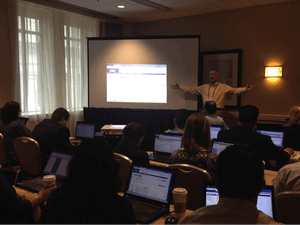
By Anh Nguyen It’s not uncommon to see a news story citing percentages and analyses that sounds like they came from an expert who specializes in collecting data and doing math, such as “21.3 percent of the U.S. participates in Government Assistance Program each month.” Where this information comes from and how it’s collected are…
Read More