
Posts Tagged ‘GIS’
IRE and Esri mapping fellowships awarded
IRE and Esri, the leading commercial publisher of geographic information system (GIS) software, have awarded 13 fellowships to attend Esri’s annual International User Conference and IRE’s mapping bootcamp. Fellowships to the User Conference July 13-17 in San Diego were awarded to: Leslie Griffy, Independent journalist Chris Hanson, KTRK-Houston Glenn Howatt, The Star Tribune Ingrid Lobet, Houston Chronicle Hoa Nguyen,…
Read MoreIRE and Esri fellowships awarded
IRE and Esri, the leading commercial publisher of geographic information system (GIS) software, have awarded 14 fellowships to attend Esri’s annual International User Conference and IRE’s mapping bootcamp. Fellowships to the User Conference this week in San Diego were awarded to: Dana Amihere, The Baltimore Sun Gus Begley, Houston Chronicle Wendy Fry, NBC 7-San Diego…
Read MorePasses for ArcView mapping sessions to be distributed Friday morning of CAR Conference
Those interested in taking the mapping classes (to qualify for the Esri ArcView software) at the 2013 CAR Conference must show up for the Friday morning session beginning at 7:30 a.m. at the Keeneland room. Slots in the class will be distributed until they are gone. If more than 24 people want to take the…
Read MoreEsri offers free ArcGIS license to CAR Conference attendees
For those of you interested in getting started with mapping, we have great news: Esri is offering a free license to ArcGIS Desktop, a $1,500 value, for Louisville Conference attendees who attend the following four conference sessions: Friday, March 1 9 – 9:50 a.m. Mapping 1: Displaying data geographically (hands-on) 10 – 10:50 a.m. Mapping 2: Importing and selecting data…
Read MoreBehind the Story: The San Diego port, altered public records and interactive presentation
San Diego’s Tenth Avenue Marine Terminal is home to a rare deep water port that’s valuable to the maritime industry, but for the last ten years, developers have argued that the area should be transformed into an entertainment district. When two businessmen responsible for running the U-T San Diego began promoting the stadium, Brooke Williams…
Read MoreBehind The Story: Mother Jones and the 47 percent
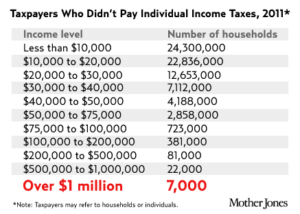
Mother Jones magazine shook up the presidential campaign on Monday when it released a video it obtained of Republican candidate Mitt Romney speaking at a private fundraiser. The video included the following comment from Romney, which many have taken issue with: “There are 47 percent of the people who will vote for the president no…
Read MoreIRE members winners in Knight News Challenge

Three IRE members were awarded Knight Foundation grants that will create online resources for journalists. The grants are part of six news innovations intended to improve access to information on local communities, air quality, elections, demographics and more that in total received $2.22 million as winners of Knight News Challenge: Data. The Knight Foundation said…
Read MoreLet IRE help you report on every stage of Hurricane Isaac
Cover the storm from every angle with help from the Covering Natural Disasters story pack. Compiled of tipsheets, stories with questionnaires and helpful databases to provide the most information you need to give your audience the full story.
Read MoreBehind the Story: The benefits of sticking with a story
Photo credit:WUSA 9 It’s hard to keep saying everything is fine when documents prove otherwise. Although the General Services Administration continually denied knowledge of a “death list,” investigative reporter Russ Ptacek discovered the list while working for Kansas City’s KSHB-TV. He continued the investigation at WUSA 9, in Washington, D.C. A GSA employee created the “death list” to…
Read MoreDon’t miss the early bird rate for the IRE Conference
The 2012 IRE Conference is just right around the corner and we’ve got some great things lined up this year. Don’t miss out on the pre-registration fee which ends today, May 30 at 5:00 pm, Central Time. Aside from all the great speakers and panels, there will also be opportunities to: pitch your book to…
Read More